Canada · Textile Crafts

Hand-Weaving and Natural Fiber Crafts

An informative introduction to looms, fibers, and weaving patterns practised by crafters across Canada — from frame looms and rigid heddle setups to floor looms and traditional tapestry techniques.

Explore the Craft

Three in-depth guides covering the equipment, materials, and pattern structures that form the foundation of hand-weaving in Canada.

Historic floor loom at the Knockando Wool Mill
Equipment

Types of Looms: Frame, Rigid Heddle, and Floor Looms Explained

A structured look at the three main loom categories used by hand-weavers in Canada, including setup considerations, suitable project scales, and how each affects cloth structure.

Read article →
Flax spinning wheel, a tool for processing natural fiber
Materials

Natural Fibers in Canada: Wool, Linen, Hemp, and Plant-Based Yarns

An overview of fibers sourced and used by Canadian weavers, from domestic sheep wool and heritage flax to locally grown hemp and nettle yarn, with notes on properties and sourcing.

Read article →
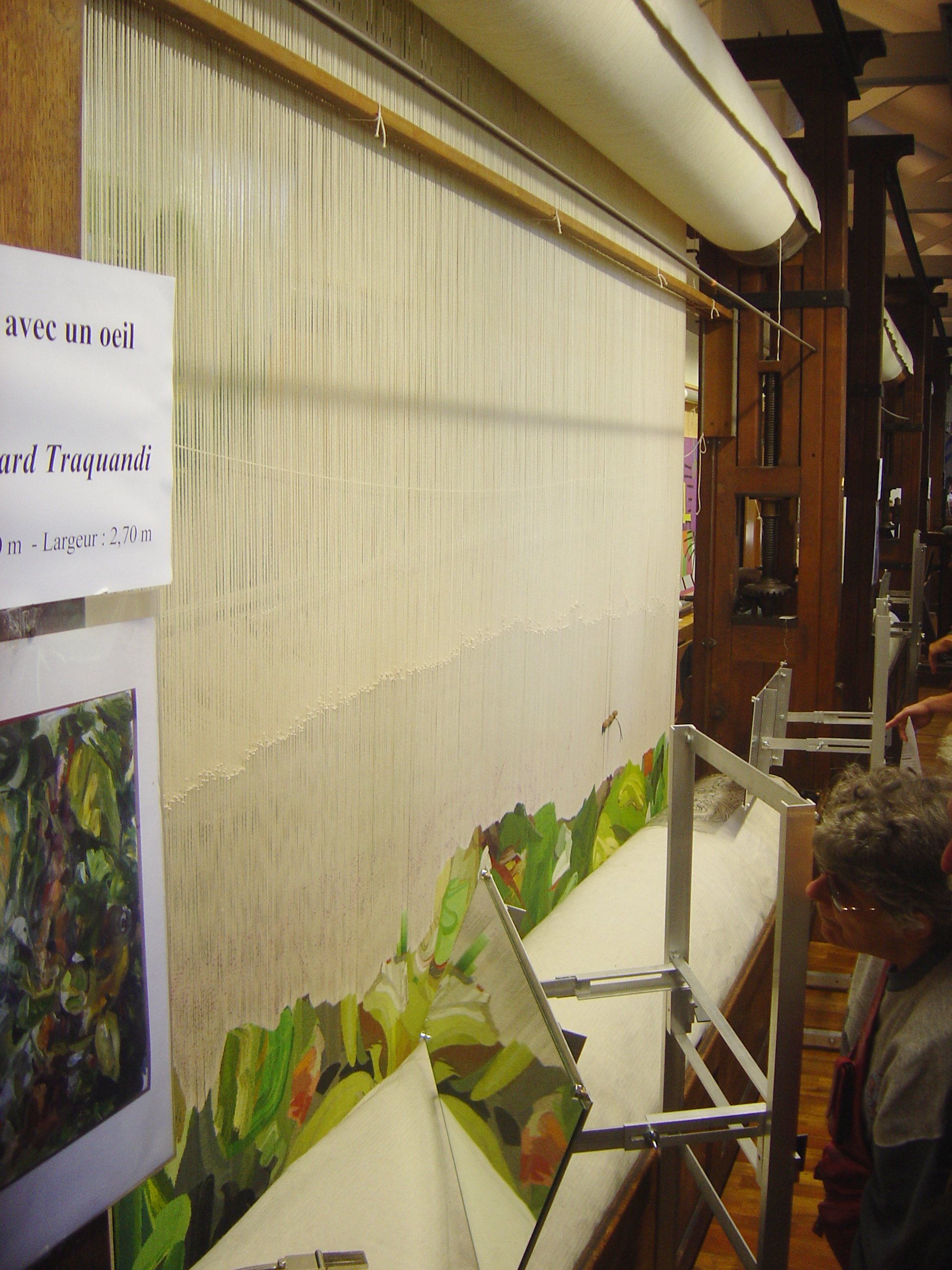
Haute lisse tapestry loom showing warp structure
Technique

Weaving Patterns: Tabby, Twill, and Tapestry Structures

A practical guide to the three foundational weave structures, explaining how thread interlacement varies, when each pattern is appropriate, and how pattern notation is read from a draft.

Read article →

Weaving in Canada

Canada's weaving tradition draws from multiple cultural streams. Indigenous peoples across the country developed distinct textile traditions long before European settlement. The Cowichan peoples of Vancouver Island are known for hand-spun wool knitting and weaving techniques that use raw fleece without commercial processing. In Quebec, the ceinture fléchée — a finger-woven sash using wool yarn — represents one of the most documented examples of a distinctly Canadian weaving form.

In the 19th century, wool mills operated in Nova Scotia, Ontario, and Quebec, mechanising processes that had previously been done on domestic handlooms. The Barrington Woolen Mill in Nova Scotia, a water-turbine-powered mill, processed local fleece for fishing communities who needed durable cloth. Many of its techniques followed the same structural logic as hand-weaving.

Today, hand-weaving in Canada is concentrated within studio craft contexts, guild networks, and educational programmes at institutions such as Sheridan College and the Nova Scotia College of Art and Design. The Handweavers, Spinners & Dyers of Alberta and similar provincial guilds organise workshops, exhibitions, and mentorship for practitioners at all levels.

Barrington Woolen Mill, Nova Scotia, Canada — a historic textile processing site

Barrington Woolen Mill, Nova Scotia. Photo: Dennis G. Jarvis / Wikimedia Commons (CC BY-SA 2.0).

What Hand-Weaving Involves

A brief orientation to the vocabulary and processes covered across the articles on this site.

Warp and Weft

Every woven structure is built from two sets of threads. The warp runs lengthwise under tension on the loom. The weft is the crosswise yarn passed through the warp shed with a shuttle or stick. The sequence in which weft passes over and under warp threads determines the weave structure.

Sett and Yarn Count

Sett refers to the number of warp ends per inch (e.p.i.) and is determined by yarn diameter and the intended cloth density. A balanced plain-weave in medium wool might use 8–12 e.p.i., while fine linen cloth for a rigid heddle can run to 20 e.p.i. or higher. Getting sett right before warping avoids structural problems in the finished piece.

Heddles and Shafts

Heddles are metal or string loops through which individual warp threads are threaded. On a rigid heddle loom, a single perforated board acts as both heddle and beater. On a floor loom, heddles hang from frames called shafts (or harnesses). Lifting shaft combinations in sequence creates different interlacement patterns.

Selvedges

The selvedge is the finished edge of the cloth that runs parallel to the warp. Clean selvedges require consistent weft tension and a correct angle of entry into the shed. Many weavers leave the weft at a diagonal bubble before beating to prevent drawing in the edges over successive rows.

Finishing Cloth

After a piece is cut from the loom, it is wet-finished: washed in water at appropriate temperature for the fiber, then blocked or pressed. Wool fulls slightly, which closes the weave structure. Linen softens considerably after its first wash. The finishing step determines the final hand and drape of the cloth.

Draft Notation

A weaving draft is a shorthand diagram showing threading sequence (which warp thread goes on which shaft), tie-up (which shafts are connected to which treadles), and treadling sequence. Drafts allow weavers to plan and reproduce structures without transcribing every thread individually.

Rug making at Upper Canada Village, Ontario — a reenactment of 19th-century textile craft

Rug-making demonstration, Upper Canada Village, Ontario. Photo: Dennis Jarvis / Wikimedia Commons (CC BY-SA 2.0).

Start with the Basics: Looms, Fibers, and Pattern Structures